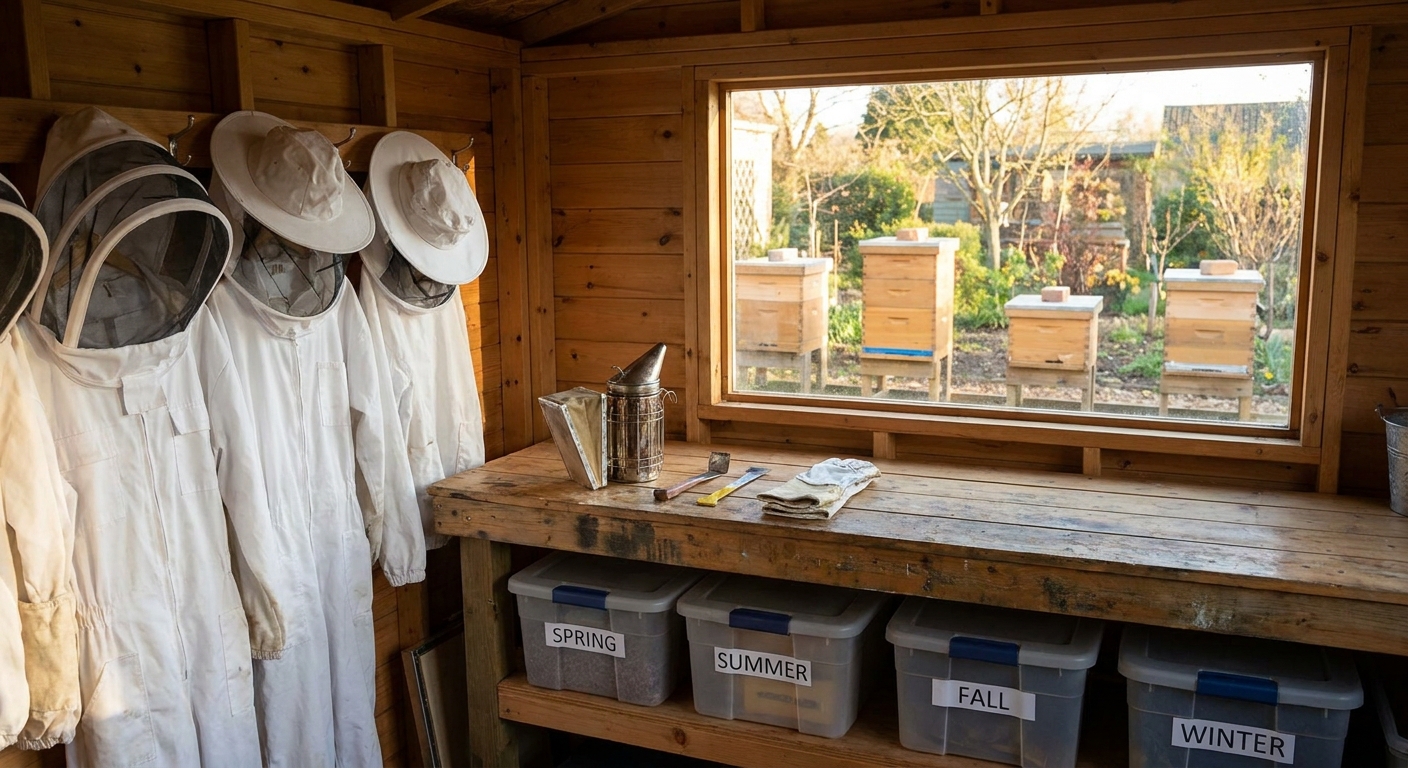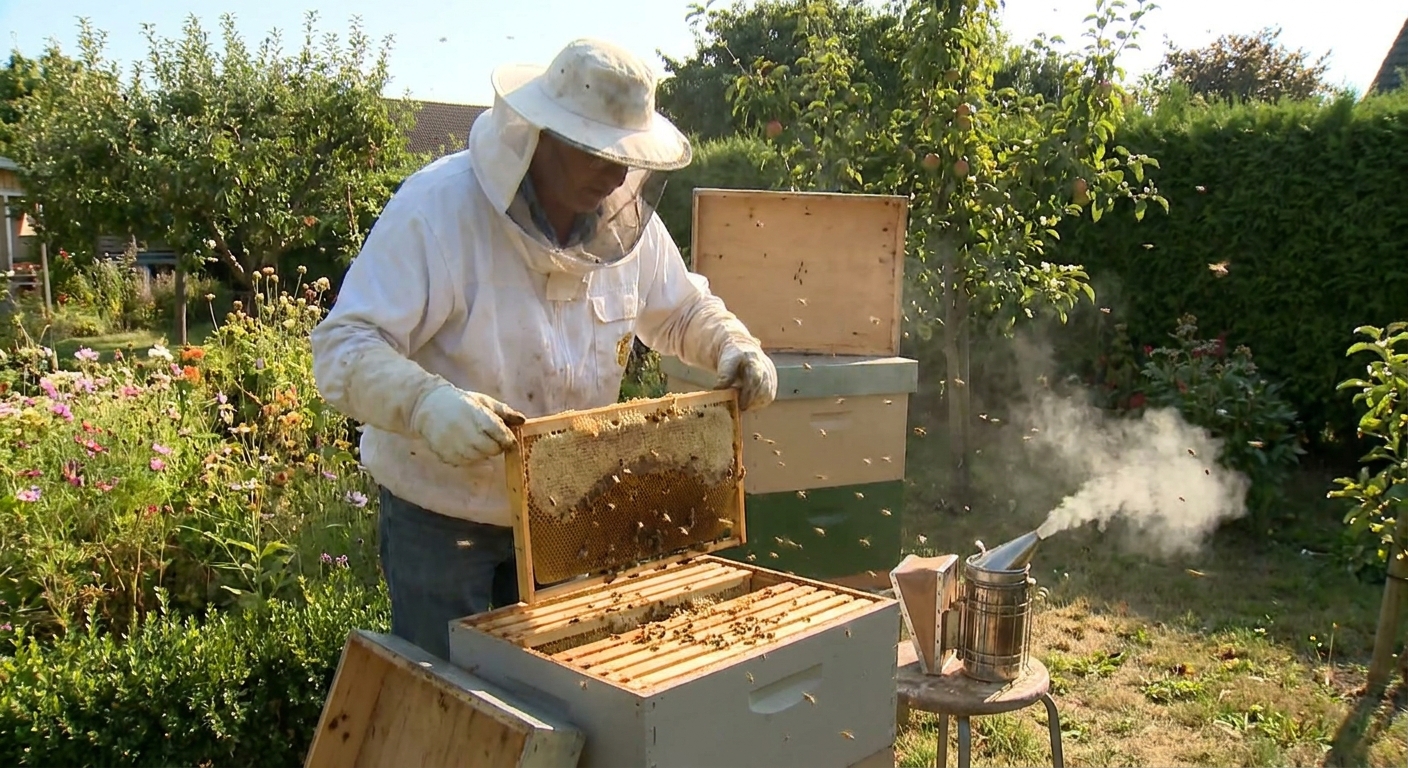
When you first step up to a hive, your gear is what stands between curiosity and chaos. Good beekeeping gear doesn’t just protect you—it helps you move more slowly, inspect more carefully, and stay calm when things get buzzy.
Why Your Beekeeping Gear Matters More Than You Think
This guide walks through the core tools hobbyist and backyard beekeepers actually use, how they fit into the rhythm of the seasons, and how to choose gear that supports gentle, low‑stress beekeeping.
The Core Protective Gear: Comfort Equals Confidence
Suit vs. Jacket: What’s Right for You?
Full suit
- Best for: New beekeepers, highly defensive colonies, or those nervous about stings
- Pros: Maximum coverage; great for swarm removals or heavy inspections
- Cons: Warmer and bulkier; can be overkill for quick checks
- Best for: Most backyard beekeepers with manageable colonies
- Pros: Cooler in summer; easier on and off
- Cons: Requires careful choice of pants and footwear to avoid gaps
- Choose light colors—dark fabrics can encourage more defensive behavior.
- Look for elastic thumb loops and stirrups or ankle elastics to keep fabric from riding up.
- Prioritize durable zippers; they fail long before fabric wears out.
Jacket and veil combo
Tips from the bee yard:
Gloves: Finding Your Sweet Spot Between Protection and Dexterity
- Thick leather gloves: Great for beginners, but they can make you clumsy. Clumsy handling squashes bees—and squashed bees release alarm pheromones.
- Goatskin gloves: A good compromise—protective but more flexible.
- Nitrile gloves: Very popular with experienced beekeepers. Easy to clean, great dexterity, but offer less sting protection.
If you’re just starting, consider goatskin gloves. As your confidence grows, you may move toward nitrile or thinner gloves for more precise handling.
Footwear and Extras
- Wear boots or shoes that cover the ankle; tuck pants into socks or boots.
- Keep a spare veil on hand for guests or helpers.
- In hot weather, use a moisture‑wicking base layer under your suit to stay comfortable.
Comfortable gear keeps you in the apiary longer and helps you move gently—bees feel the difference.
The Essential Tools You’ll Reach for Every Visit
1. The Hive Tool: Your Everyday Workhorse
If you only buy one tool, make it a good hive tool. Propolis glues everything together; the hive tool helps you:
- Pry apart boxes and frames
- Scrape propolis and burr comb
- Lift frames without crushing bees
- Standard (J‑hook): Great all‑around; the J‑hook makes lifting frames easier.
- Italian style: Slimmer and lighter; nice for smaller hands.
Types of hive tools:
Keep one in your pocket and one as a backup—you’ll misplace them more often than you expect.
2. The Smoker: Communication, Not Combat
A smoker isn’t about “gassing” bees; it’s about calming their alarm system.
Smoker fuel ideas:
- Pine needles or cones
- Untreated wood pellets
- Dry leaves or burlap (untreated)
Aim for cool, white smoke, not sparks or hot blasts.
Use it gently:
- Two or three puffs at the entrance
- One or two puffs under the lid before opening
If bees are already calm and you’re doing a quick look, you may not need the smoker—but it should always be lit and ready nearby.
3. Bee Brush (or Soft Feather)
For moving bees off comb without squashing them. Use with a very light touch:
- Brush up and away, not down and across
- For supers full of honey, gently brush bees off frames before bringing them indoors
Some beekeepers prefer a large feather (like a turkey feather) for the gentlest touch.
Seasonal Gear Routine: What to Use and When
Early Spring: Wake‑Up Checks
Goals: Assess winter survival, food stores, and queen status.
Useful gear:
- Jacket or suit (bees may be touchy on cold days)
- Hive tool for prying frames that propolis has sealed
- Smoker for short, controlled puffs—cold bees can be cranky
Keep inspections short and efficient to avoid chilling brood.
Late Spring to Early Summer: Growth and Swarm Season
Goals: Monitor brood pattern, prevent overcrowding, add space.
Gear focus:
- Extra boxes and frames ready before you need them
- Queen excluder if you plan to keep brood out of honey supers
- Frame grip (optional) if handling heavy frames is tricky
You’ll be opening hives more frequently; comfortable, breathable protection matters.
Midsummer: Honey Flow and Heat
Goals: Manage space, monitor honey stores, avoid overheating bees.
Gear tweaks:
- Consider ventilated suits or jackets if you’re in a hot climate
- Keep plenty of smoker fuel handy, but use lightly
- A bee escape board (or fume board) is handy when it’s time to remove honey supers
Stay hydrated—overheating beekeepers make rushed decisions, and bees respond to rushed handling.
Late Summer to Fall: Harvest and Health Checks
Goals: Harvest honey, assess mites, prepare for winter.
Key tools:
- Uncapping knife or fork for honey extraction
- Food‑grade buckets and filters
- Varroa test gear (alcohol wash or sugar roll kits)
Inspections may be more defensive this time of year as natural nectar dries up. Ensure veils seal well, and have your smoker ready.
Winter: Quiet Care
Goals: Minimal disturbance; focus on weight and ventilation.
You’ll mostly use:
- A strap or ratchet system to secure lids against wind
- Insulation boards or wraps where winters are harsh
- Entrance reducers and mouse guards
Full inspections pause, but your observation skills stay active—watch flight activity on warmer days and listen using a stethoscope or by gently placing an ear against the box.
Gear and Honeybee Biology: Working With the Colony
Understanding what’s happening inside the hive helps you choose and use gear more thoughtfully.
- The brood nest (eggs, larvae, capped brood) sits in the center of the hive. When you open a hive, warm, brood‑scented air escapes—this can alarm bees.
- Bees use alarm pheromone (smelling a bit like banana) when they feel threatened or crushed. Poorly fitting gloves or clumsy hive tools lead to more squashed bees.
- Smoke masks alarm pheromone and encourages bees to fill up on honey, making them less inclined to sting.
So the right gear, used gently, supports the bees’ natural communication instead of fighting against it.
Gentle Troubleshooting: When Gear Isn’t Working for You
Problem: You Still Get Stung Through the Suit
Check:
- Are there tight fabric points pressed against skin (elbows, shoulders)?
- Are zippers completely closed with all Velcro flaps sealed?
- Are your gloves tucked over or under sleeves securely?
- Add a thin long‑sleeve layer under the suit.
- Switch to a thicker veil or double‑layered hood if stings target your face.
Solution:
Problem: Bees Seem Angrier When You Use the Smoker
You might be:
- Using too much smoke or blowing it directly on bees at close range.
- Using hot, harsh smoke from poor‑quality or damp fuel.
- Light the smoker at least 10 minutes before use; adjust until smoke is cool and white.
- Use fewer puffs, and always from above or to the side, not straight into a dense cluster.
Fixes:
Problem: You Crush Bees When Removing Frames
Consider upgrading or adjusting:
- Use a J‑hook hive tool to lift frames evenly.
- Scrape brace comb and burr comb from frame shoulders regularly.
- Space frames properly; tight spacing makes it harder to remove them without pinching bees.
Over time, your movements will slow and smooth out—good gear simply gives you a head start on that learning curve.
Building Your Kit Slowly and Intentionally
You don’t need every gadget on the market to care well for your bees. For most backyard beekeepers, a thoughtful starter kit looks like this:
- Protective: Jacket and veil, goatskin or nitrile gloves, sturdy shoes
- Tools: Hive tool, smoker, lighter, bee brush/feather
- Hive basics: Spare boxes, frames, feeder, entrance reducer
- Seasonal extras as needed: Uncapping tools, Varroa test kit, insulation, straps
Add new pieces only when you feel a real need—your bees don’t care how fancy your toolbox is, only how gently and consistently you work with them.
With well‑chosen gear and a calm, observant approach, every hive visit becomes less about wrestling boxes and more about reading the story your bees are telling.